How Should a Founder Prepare a First Meeting With a Family Office?
To prepare for a first meeting with a family office, treat it as a high-stakes professional introduction, not just a pitch. Your goal is to build immediate trust and demonstrate you are a credible, low-risk, and high-integrity partner. This means having concise, polished materials ready, deeply researching the specific family office, and focusing the conversation on alignment and fit rather than just asking for money.
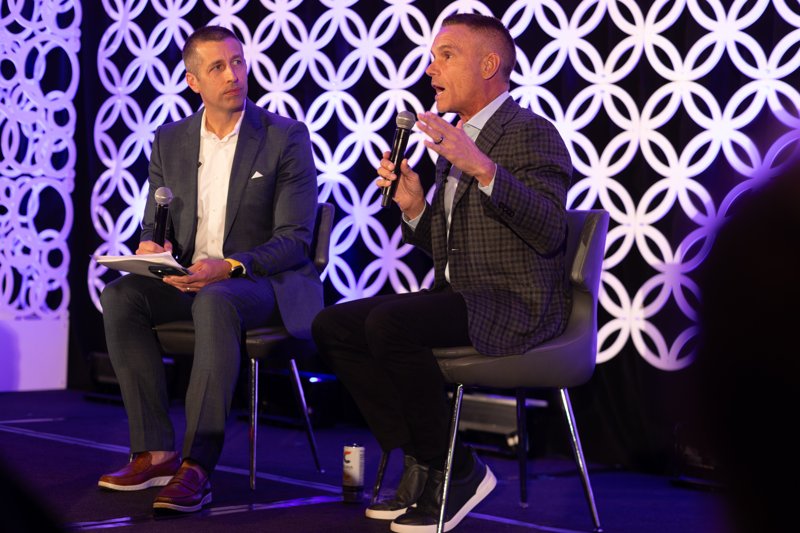
Family offices are not typical investors. They manage permanent capital for a single family, which means their priorities, time horizons, and decision-making processes are unique. A founder's preparation must reflect an understanding of this sophisticated audience. The first meeting is often a qualifying round; if you fail to meet their standards of professionalism and clarity, there will not be a second.
Core Preparation Principles
1. Understand the Family Office Mindset Family office principals and investment staff are evaluating you as much as your business. They are looking for signs of a "class act professional" who will do the right thing with high integrity. They are wary of anyone who seems high-stress, sneaky, too slick, or untrustworthy. Your demeanor, communication, and materials must all signal reliability and competence.
2. Respect Their Time The more valuable the investor, the less time they have. Your preparation should make the conversation efficient for them. This means your verbal introduction, written materials, and follow-up should be concise and directly relevant.
3. Aim for a Dialogue, Not a Monologue Come with questions. A family office wants to see that you are interested in a partnership, not just a transaction. Be prepared to discuss how your opportunity aligns with their stated themes, geographic focus, or impact goals. Listen more than you talk in the initial part of the meeting.
Essential Materials to Have Ready
You must have these documents polished and ready to share before the meeting, typically sent upon request after an initial positive conversation.
- A One-Pager or Teaser: This is a one-sided PDF that clearly states what your investment is about and why it's compelling in two or three key points. It is your most important handout. It should be visually clean and allow someone to grasp the core opportunity in 60 seconds.
- A Concise Pitch Deck: This should be 12 to 19 pages, not 40+. It must cover: the problem, your solution, market size, business model, traction, team, financial projections, and the ask (investment amount, use of funds). Every slide should serve a clear purpose.
- A Clear One-Liner: Have a single, well-crafted sentence that explains what you do and why someone should work with you. This is for your email signature, LinkedIn profile, and verbal introduction. For example: "We convert distressed urban motels into affordable apartment buildings, delivering stable cash flow and social impact."
- A Short Founder Video (Optional but Powerful): A two-to-five minute video of you, the founder, articulating your strategy, your background, and why you are credible. This builds trust and humanizes the pitch before you even meet. It shows extra effort and professionalism.
- Your "Public Face" Must Be Polished: This includes your LinkedIn profile, your company website, and your email address. A generic or unprofessional brand name creates friction. As noted in our training, a brand like "Wilson Capital" tells nothing, whereas "Harlem Real Estate Holdings" instantly communicates focus and expertise. One group rebranded to a geographic niche and saw their targeted deal flow "go through the roof."
Pre-Meeting Research Checklist
Do not walk into the meeting blind. Spend at least an hour researching the specific family office.
- Review their website: Note their investment themes, portfolio companies, team bios, and stated mission.
- Search for news: Look for recent press releases, interviews with principals, or announcements of new investments.
- Understand their structure: Are they a single-family office (SFO) or multi-family office (MFO)? Do they make direct investments or invest through funds?
- Identify the decision-maker: Who are you meeting with? Is it an investment analyst, a director, or a principal? Tailor your conversation to their level.
- Find a connection: Do you share an alma mater, a previous employer, or a mutual contact on LinkedIn? A genuine point of connection can build rapport.
The Meeting Itself: A Practical Agenda
- Opening (2-3 minutes): Thank them for their time. Briefly state your one-liner. Mention your research: "I was particularly interested in your recent investment in [sector] because our work aligns closely."
- Their Turn (10-15 minutes): Ask open-ended questions. "Can you share a bit about your current portfolio focus?" or "What are the key criteria you look for in a new partnership?" Listen actively.
- Your Turn (10-12 minutes): Walk through your one-pager or a shortened version of your deck, linking your points back to what they just said. "You mentioned interest in sustainable tech, which is why our solution in renewable storage is relevant..."
- Discussion & Next Steps (10-15 minutes): Discuss fit, timing, and process. Be prepared for tough questions. Agree on clear next steps: "You mentioned you review full decks with your committee next Tuesday. Would it be helpful if I send the full deck and a one-page summary by Friday?"
- Close: Thank them again. Reiterate your excitement about the potential fit.
Post-Meeting Follow-Up Protocol
Send a thank-you email within 24 hours. Reiterate the key points of alignment discussed and attach any promised materials (full deck, summary). Be "politely persistent" in your follow-up schedule. If they say no, it's acceptable to ask for brief, high-level feedback (e.g., "Was it the fund structure, the asset location, or the timing?"). This can inform future approaches.
What to Avoid
- Overselling: Being overly aggressive or making unrealistic promises.
- Lack of Preparation: Not knowing basic public facts about their office.
- Poor Materials: Sending a 40-page deck or having no one-pager.
- Ignoring Fit: Pitching a biotech startup to a real estate-focused family office.
- Being Vague: Not having a clear ask or use of funds.
Founder's First-Meeting Preparation Checklist
- [ ] Craft your one-liner: A single sentence explaining what you do and why it's compelling.
- [ ] Prepare your one-pager: A clean, one-sided PDF teaser document.
- [ ] Trim your pitch deck: Ensure it is 12-19 pages, concise, and professional.
- [ ] Research the specific family office: Know their focus, portfolio, and who you're meeting.
- [ ] Plan your questions: Prepare 3-5 open-ended questions about their strategy and process.
- [ ] Polish your public profiles: Ensure LinkedIn and company website are current and professional.
- [ ] Define clear next steps: Know what a successful outcome of the meeting looks like.
Frequently Asked Questions
Should I send my full deck before the first meeting? No. Use your one-liner and one-pager to secure the meeting. The full deck should be sent after a positive initial conversation, upon their request.
What if the family office says they don't have a mandate for my sector? Thank them for their honesty. Ask if they know another family office or investor who might be a better fit. This maintains the relationship and can sometimes lead to a valuable referral.
How long should I wait to follow up after sending materials? If you agreed on a timeline, follow it. If not, a polite check-in after 7-10 business days is standard. Reference your previous conversation.
Is it okay to bring a team member to the first meeting? Only if that person is critical to the investment thesis (e.g., a technical co-founder for a deep-tech startup). Otherwise, keep the first meeting lean with just the key decision-maker founder.
What is the biggest mistake founders make in these meetings? Talking too much and not listening. The goal is to understand their needs and demonstrate alignment, not to deliver a memorized sales monologue.
Informational only, not financial, legal or tax advice.